Solar Panel Installations Soaring

Cedar Creek Energy & Barley John's Brew PubThe story from The Journal Gazette; here’s an excerpt: “Developers installed 85 percent more solar panels in the United States in the first quarter than a year earlier, led by strong growth in commercial projects and demand in New Jersey, according to the Solar Energy Industries Association. Total U.S. installations were 506 megawatts in the quarter and may reach 3,300 megawatts this year, about 11 percent of the 2012 global market, the Washington trade group said this month in its quarterly market report. That will make the U.S. the fourth-largest solar market this year, and one of the few countries where growth is expected to continue for the foreseeable future, according to GTM Research, a Boston consulting company that prepared the report with the Solar Energy Industries Association.”

 
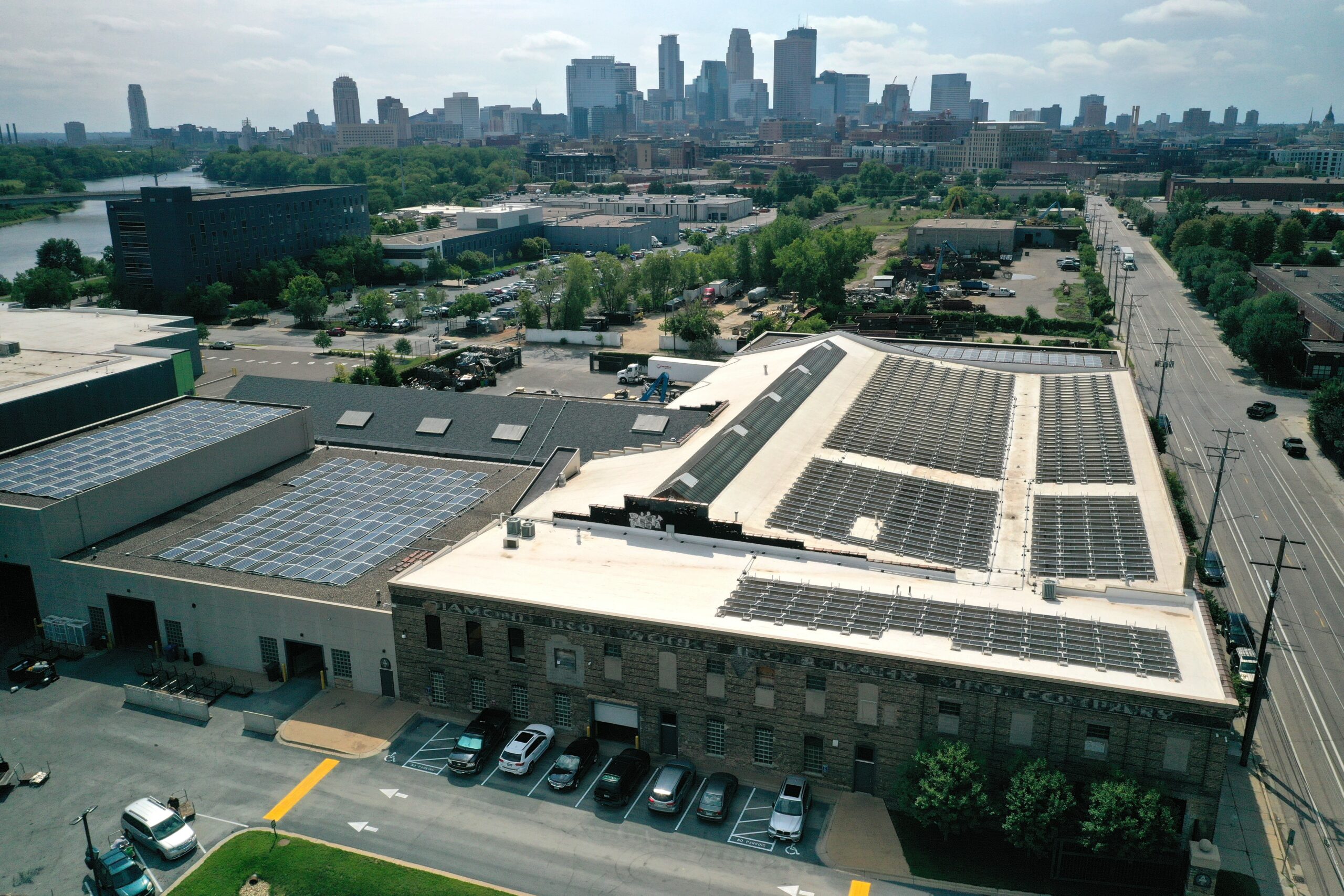
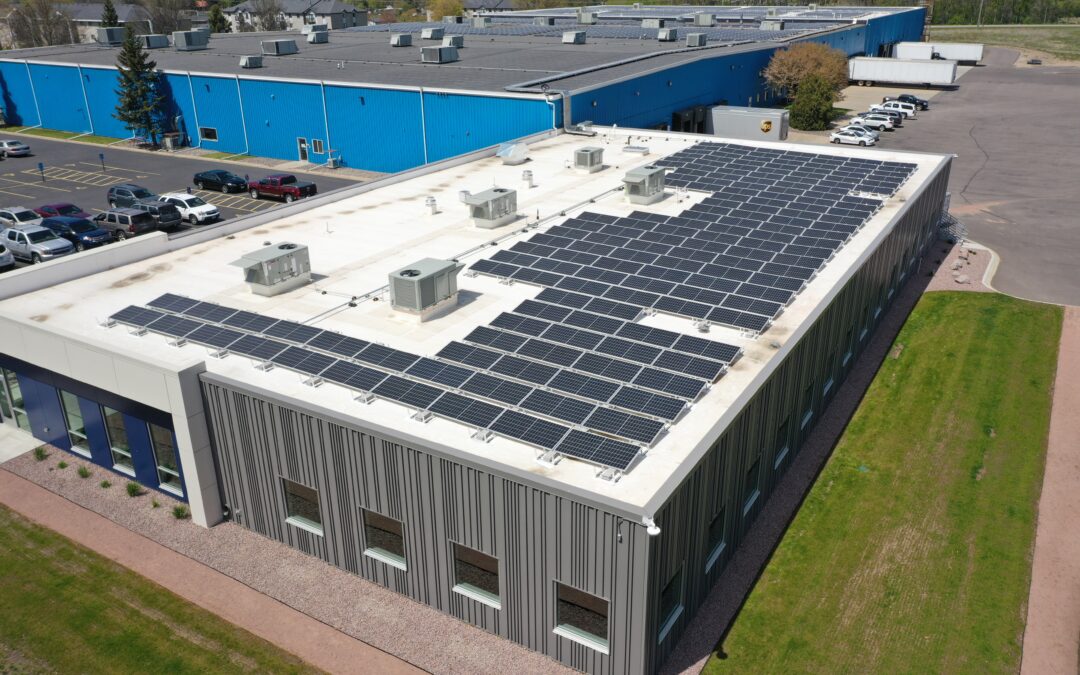
Photo credit above: “John Moore owner of Barley John’s Brew pub and Rob Appelhof president of Cedar Creek Energy photographed in front of the solar array installed at Barley John’s Brewpub in New Brighton, Minn. Cedar Creek Energy is working with Barley John’s to offset some of their energy use with solar power.” Carlos Gonzalez, Star Tribune.

How to get started

Adding solar panels to your home is simple with Cedar Creek Energy. Get added peace of mind, knowing that we have custom designed your solar electric system to get the most out of your install!

Once you’re ready to go solar follow these three simple steps:

Step 1: Request a free site assessment

It’s simple and easy. Just use our online form or call 1 (800) 834 – 3378. One of our engineers will contact you to schedule a visit to your home.


Step 2: Assessment and proposal

We will then assess your home’s energy requirements and gather installation details. Prepare a customized proposal for your home that outlines the installed cost, available incentives and expected savings. We will also discuss financing options with you, if needed.


Step 3: Installation

A solar electric system can typically be installed within two to three weeks from your order. Please note, however, that the time required for permits and incentive paperwork approvals vary by city and state.

The installation process itself is simple:

  • You place the order
  • We work with you to schedule the installation date.
  • We physically install the system on your roof.
  • Supports are attached to the roof at the rafters.
  • Rails are attached to the supports.
  • Solar panels are attached to the rails.
  • The solar panels are connected to each other and the cables are brought down to the inverter.
  • The inverter is mounted in a shaded area on an exterior wall or in the garage or service closet.
  • The DC cables are connected to the inverter and the inverter is connected to the electrical panel.
  • Appropriate labels are added to the electrical panel.
  • Any required inspections are performed by the permit office, incentive officials and/or utility representatives.
  • The system is connected to the grid.
  • You submit the provided incentive paperwork.

The Sun as You’ve Never Seen It Before

NASA’s Solar Dynamics Observatory snapped this X-ray photo of the Sun early in the morning of Sunday, August 1st. The dark arc near the top right edge of the image is a filament of plasma blasting off the surface — part of the coronal mass ejection. The bright region is a un-associated solar flare. When particles from the eruption reached the Earth, they triggered a brilliant auroral display known as the Northern Lights.

Read more: http://www.foxnews.com

Solar Panel Payments Set Off a Fairness Debate

In California’s sun-scorched Central Valley, the monthly electric bill can easily top $200. But that’s just about what George Burman spent on electricity for all of last year.

Solar panels at North Gate High School in Walnut Creek, Calif. The panels feed power back to the electrical system.Solar panels generating energy for a condominium complex sit atop a parking garage roof in Santa Monica, Calif.
When the sun is shining, the solar panels on his Fresno condominium produce more than enough power for his needs, and the local utility is required to buy the excess power from him at full retail prices. Those credits mostly offset his purchases from the electric company during cloudy days and at night.

Mr. Burman says the credit system, known as net metering, is a “very nice benefit” for him. But it’s not such a good deal for his utility, Pacific Gas and Electric.

As he and tens of thousands of other residential and commercial customers switch to solar in California, the utilities not only lose valuable customers that help support the costs of the power grid but also have to pay them for the power they generate. Ultimately, the utilities say, the combination will lead to higher rate increases for everyone left on the traditional electric system.

“Low-income customers can’t put on solar panels — let’s be blunt,” said David K. Owens, executive vice president of the Edison Electric Institute, which represents utilities. “So why should a low-income customer have their rates go up for the benefit of someone who puts on a solar panel and wants to be credited the retail rate?”

The net metering benefit, which is available to residential and commercial customers with renewable energy systems in more than 40 states and has helped spur a boom in solar installations, is at the heart of a battle. Utilities, consumer advocates and renewable energy developers across the country are fighting over how much financial help to give to solar power and, to a lesser extent, other technologies. Regulators are in the middle, weighing the societal benefits of renewables as well as how best to spread the costs.

To continue reading view the original article!

For Xcel, selling less electricity pays off

Source: Minneapolis Star Tribune

Selling less electricity is eroding Xcel Energy Inc.’s bottom line — and, at the same time, shoring it up. The Minneapolis-based utility has seen two consecutive quarters of lower electricity sales, which contributed to a 10 percent drop in first-quarter earnings.

Yet Xcel also is making money helping customers save energy, thanks to state-mandated programs that reward utilities for conserving power. Those conservation-related profits were $71 million before taxes last year, or roughly 5 percent of net earnings. Most of the savings occurred in Minnesota, where Xcel reported a record 1.53 percent conservation-related drop in electric use.

“That represents more than it would take to serve everybody in the city of Bloomington for a year,” Laura McCarten, Xcel’s regional vice president, said in an interview.


The gaining-by-losing paradox is the result of state programs that allow utilities to make a profit on investments to conserve power and reduce peak demand — just as they do when building new power plants. Similar programs exist for natural gas conservation, which contributed a small share of Xcel’s $71 million energy-saving profits.

“The least expensive form of energy is not using energy,” said Jim Bellessa, an analyst with D.A. Davidson & Co. in Great Falls, Mont. “It is a lot less expensive to conserve electricity than to build a brand-new power plant to satisfy energy demand.”

For Xcel selling less electricity

Xcel achieved energy savings by spending $82 million last year in Minnesota on efforts that include subsidizing residential light bulb replacements with low-energy models, and offering advice and rebates to residential and commercial customers to cut lighting and other electric use.

In return, the utility was allowed to collect from ratepayers more than $50 million in conservation incentives in Minnesota. It earned $20 million in similar incentives in Colorado and New Mexico. This year, it will begin a program in South Dakota, another of the eight states that Xcel serves, McCarten said.

Customers pay for these programs through their bills. Xcel’s Minnesota program costs less than a third of a cent per kilowatt hour, or about $26 a year to the average household. Xcel has proposed a 20 percent increase this year as it pushes for more conservation.

Bellessa said it’s a good deal for Xcel ratepayers and shareholders, although not all states offer such programs. Minnesota’s current program has been in place since 2007, although earlier versions have been in place for …

Full article at: Minneapolis Star Tribune


Top Benefits From Solar Power

Lately many businesses are resorting to alternative sources of energy to reduce their energy bills. Among the renewable energy sources, solar energy is a sustainable choice and one that can be used in various applications and an installment of solar power electricity systems continue to stimulate benefits to its users. Many businesses are now tapping into this alternative source of energy, hoping to benefit from its numerous advantages.

Reduced Operating Costs:
Solar power systems will reduce or even eliminate your office building’s electric bill having a tremendous impact. Having a solar power system installed is the equivalent to prepaying for almost 40 years of energy, but at just a fraction of what you are currently paying for electricity. The cost per unit of your current energy costs is likely much higher than what you would spend for solar power resulting in further savings for your business.

Good Return on Investment:
Government incentives and the decrease of solar equipment costs mean the use of solar power is a solid investment and a great financial decision for your business. Investing in solar power generates both long-term savings and a quick payback.

Maintenance-Free & Reliable:
Once installed, a solar power system will require little or no maintenance at all. The system will provide electricity quietly and cleanly for 25 to 40 years. The solar panels that Cedar Creek Energy uses are manufacturer direct and made in the U.S.A.

We understand that solar equipment, in most cases, is a once-in-a-lifetime investment, and we strive to help you benefit from a high return on your investments while also helping you find a variety of financing and system options available to fit your budget.

Find out if we might be able to help cut your energy bills

U.S. Imposes Tariffs on China Solar Panels

Trade tensions between the U.S. and China are likely to ratchet up after the Commerce Department found several Chinese solar-panel companies guilty of dumping and slapped 31% tariffs on their products.

The tariffs will give U.S. panel makers battered by Chinese competition a leg up, but they probably aren’t high enough to drive the Chinese makers out of the business altogether. Critics of the U.S. move said the biggest result may be harm to the overall solar business by raising costs for homeowners or business trying to generate solar power.

Thursday’s action came in response to a complaint by the U.S. unit of German firm SolarWorld AG and a half-dozen other solar-energy companies. The Commerce Department determined that the Chinese manufacturers were selling solar panels at below-market prices.

Those receiving the 31% tariff include Suntech Power Holdings Co. and Trina Solar Ltd. That tariff comes on top of tariffs ranging from about 3% to 5% levied in March over a related complaint that the Chinese companies had received unfair export subsidies. Suntech’s share price fell 5.75% in New York Stock Exchange trading, while Trina fell 7.9%.

Workers assembling solar panels at a Suntech factory in China.The Commerce Department said the decision was preliminary, and the companies will have the chance to challenge the tariffs before they are made final later this year.

On Friday, China’s Ministry of Commerce said the ruling sends “negative signals of trade protectionism,” according to state-run Xinhua news agency.

SolarWorld and others allege that cheap imports helped devastate the U.S. solar manufacturing sector and led to the loss of about 2,000 jobs. While it sought even higher tariffs than those unveiled by the Commerce Department, SolarWorld cheered the ruling.

“It’s a positive step,” said Gordon Brinser, the president of SolarWorld USA. “Illegal subsidization of industries to harm and put other markets out of business is bad for everybody in the long run.” He said Chinese firms are seeking “total dominance” of the sector that could lead to monopoly pricing in the long term.

One of the targeted companies, Suntech Power, lashed out at the duties.

“These duties do not reflect the reality of a highly competitive global solar industry,” said Andrew Beebe, Suntech’s chief commercial officer.

Opponents of the trade suit argue that the proliferation of cheap panels has helped spur strong growth of the solar market, especially in the U.S., which gets about half its solar panels from China. Punitive tariffs could slow that growth and cost consumers money, they say.

Chinese officials said in March they were investigating U.S. support for clean energy. In past trade disputes, China has retaliated by slapping tariffs on other U.S. industries.

“Our intent here was to try to prevent a trade war, and we’re going to keep working on that,” said Jigar Shah, a spokesman for a group that represents Chinese solar-panel makers and U.S. solar-panel installers. Mr. Shah said U.S. solar-panel prices are already high because of the “cloud of chaos” created by the Commerce case.

Jesse Pichel, an analyst at Jefferies Group Inc., predicted that large Chinese panel makers would sidestep the tariff by obtaining solar cells for the U.S. market from Taiwan and other countries.

“The Chinese have really become the leaders of solar technology,” Mr. Pichel said. He said prices were likely to rise in the U.S. and that would be “negative overall for demand and business.”

At the core of the trade dispute is a debate about the best way to accelerate the growth of clean energy. Many economists, inspired by the example of computers and other high-tech gear, argue it is best to let developing countries do the manufacturing at lower cost, while richer countries benefit from the proliferation of affordable goods.

Others say it is important for Washington to support the creation and protection of domestic manufacturing in small-but-growing sectors.

“Predatory trade practices that undermine American industry and workers cannot be tolerated in any industry, but especially in one that holds such great promise for growth and job creation,” said Rep. Ed Markey (D., Mass.).

The solar case is complicated by the prickly trade relationship between the U.S. and China. U.S. officials have argued for years that China’s exports are artificially boosted by cheap currency. This spring, the Obama administration took a dispute with China to the World Trade Organization and announced the creation of a “trade enforcement unit” to make sure that China complies with global-trade rules.

Write to Keith Johnson at keith.johnson@wsj.com and Cassandra Sweet at cassandra.sweet@dowjones.com

A version of this article appeared May 18, 2012, on page B3 in the U.S. edition of The Wall Street Journal, with the headline: U.S. Imposes Tariffs On China Solar Panels.

Is solar energy effective in Minnesota?

Solar Panel Installers - Edina, MN

Minnesota has two things working in its favor: clear skies and cool temperatures. This combination puts Minnesota on par with Texas and Florida for the ability to produce solar energy.

Did you know that the sun provides more energy in one hour than the entire planet uses in a year! So needless to say installing a solar power system on your home or business will reduce or eliminate your electric bill. All you need is a direct view of the sun, making it ideal for urban areas where wind power isn’t an option.


How do you know if solar energy is right for you?

  1. Have you made your home or business as energy-efficient as possible?
  2. Do you own the property where the system will be installed?
  3. Is the roof mostly shade free and unobstructed with maximum access to the sun year round?
  4. Is the roof in good condition (both shingles and structurally)?

If you answered yes to these questions contact us today!

Solar Power for Minnesota Homes

Written By:  Robin Johnson with  Examiner.com

Minnesota homeowners looking to reduce their heating bills by up to 50 percent and protect themselves from soaring energy prices can find solutions locally. Area installers say it is a myth that we do not get enough sun or that systems are too costly to justify a good return. There is an abundance of competent professionals in Minnesota who can guide you through the steps and recommend whether you will benefit from solar solutions.

Rob Appelhof of Cedar Creek Energy on energy analysis: We will give you a detailed energy analysis and professional site assessment to determine if your property is acceptable,” says Rob Appelhof, Cedar Creek Energy President.

Read the full article from CBS Minnesota

Minnesota Solar Energy Installers

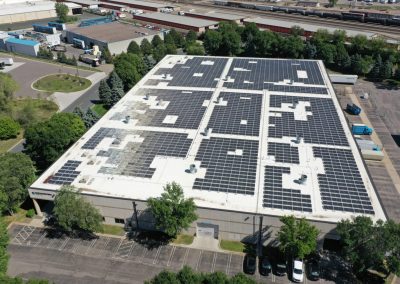
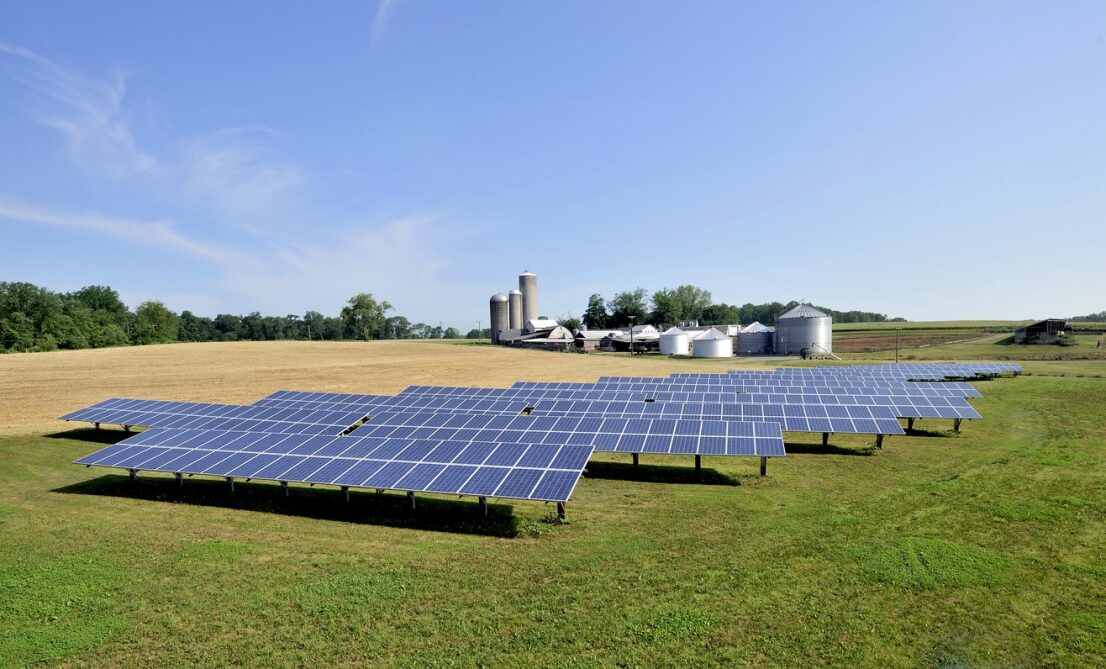
This solar panel system will produce $6,000 worth of power, each year, for this customer!

Pages:1234»