
Empowering Progress: Government Solar Panels in Minnesota
In the pursuit of sustainable energy solutions, government entities in Minnesota have been at the forefront, harnessing the power of the sun to drive positive change. The integration of solar panels on government buildings not only aligns with environmental goals but also sets a precedent for a greener and more energy-efficient future.
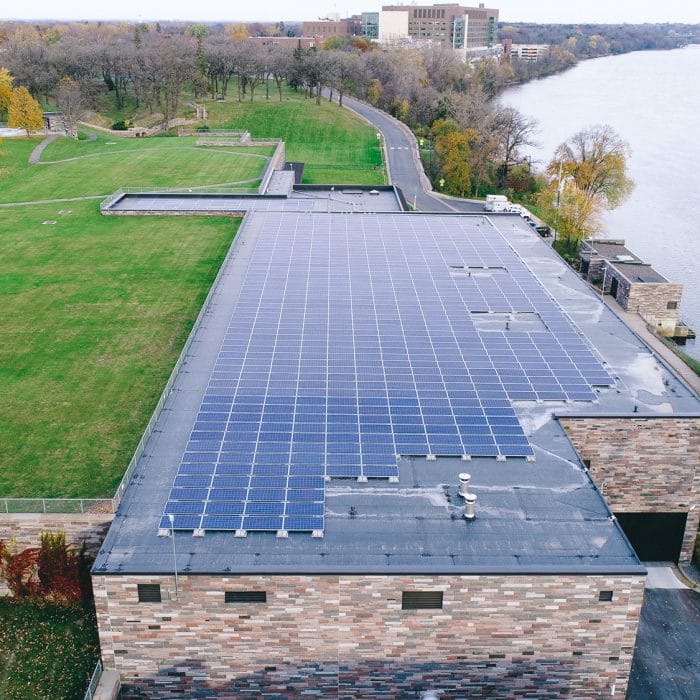
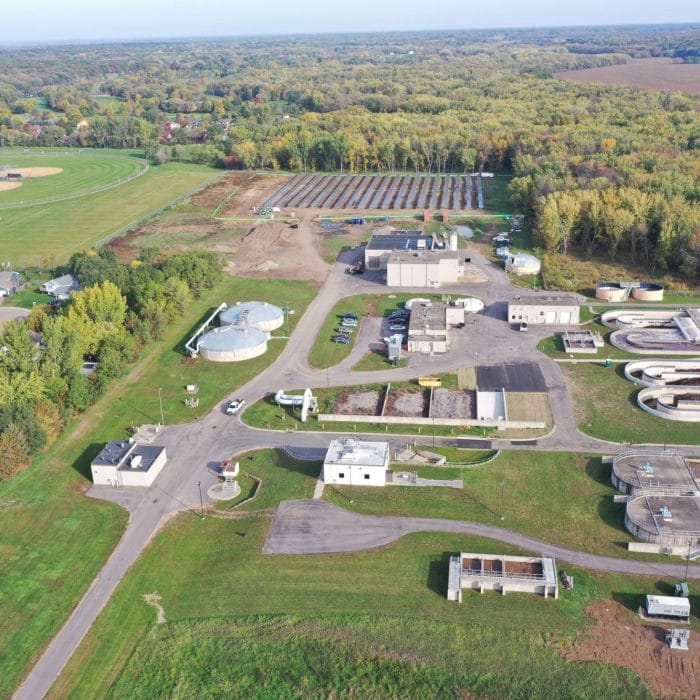
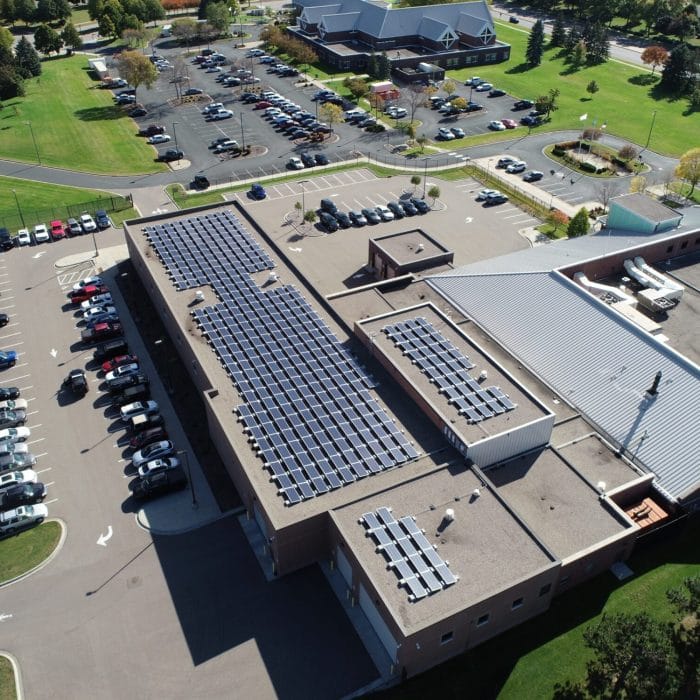
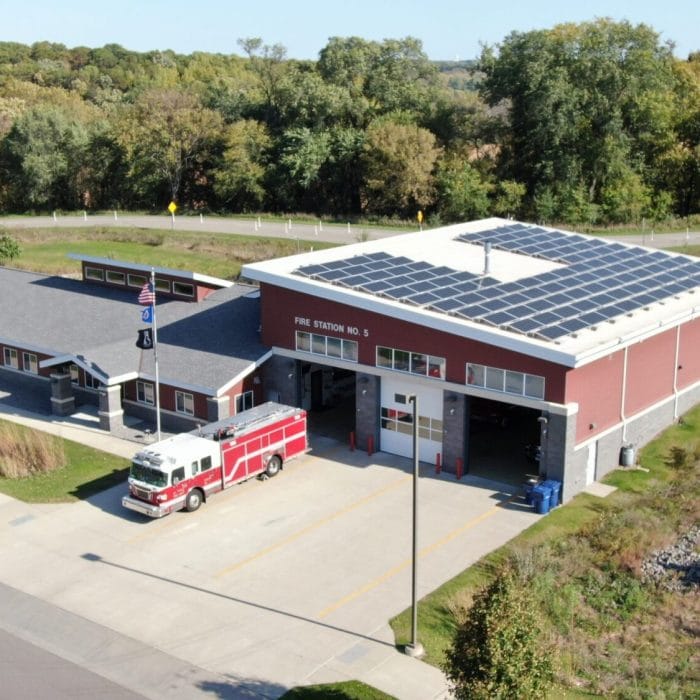
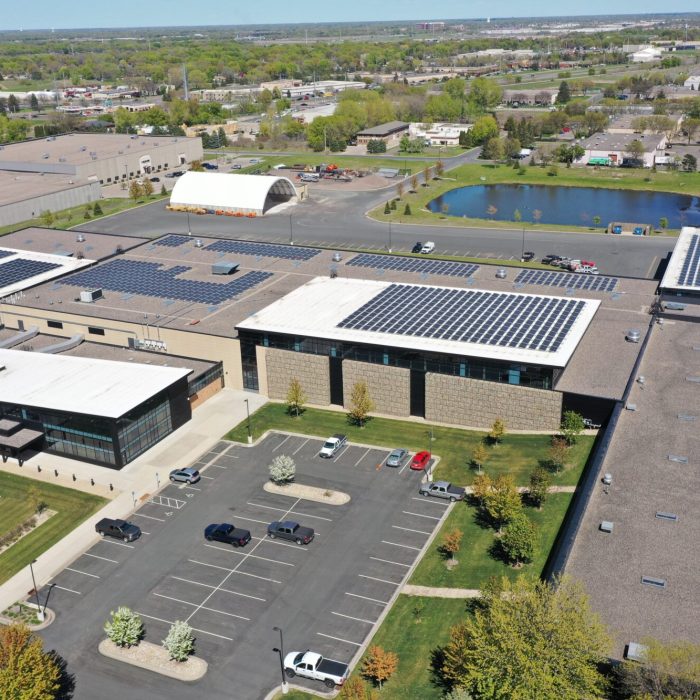
The installation of solar panels on government buildings showcases a commitment to environmental stewardship, energy efficiency, and cost savings. Government entities, ranging from municipal offices to state facilities, have embraced solar power to reduce their carbon footprint and demonstrate leadership in adopting clean energy solutions.
Benefits of Government Installed Solar Panels
One of the primary benefits of government-installed solar panels lies in their ability to generate clean and renewable energy. By tapping into solar power, government buildings can significantly reduce their reliance on traditional grid electricity, contributing to a decrease in greenhouse gas emissions and mitigating the environmental impact associated with conventional energy sources.
Moreover, government solar panels act as a tangible demonstration of the commitment to sustainability, setting an example for the broader community. The visibility of solar installations on government structures serves as an educational tool, inspiring residents and businesses alike to consider renewable energy options for their own properties.
Solar Panels on Commercial Buildings: Leading by Example
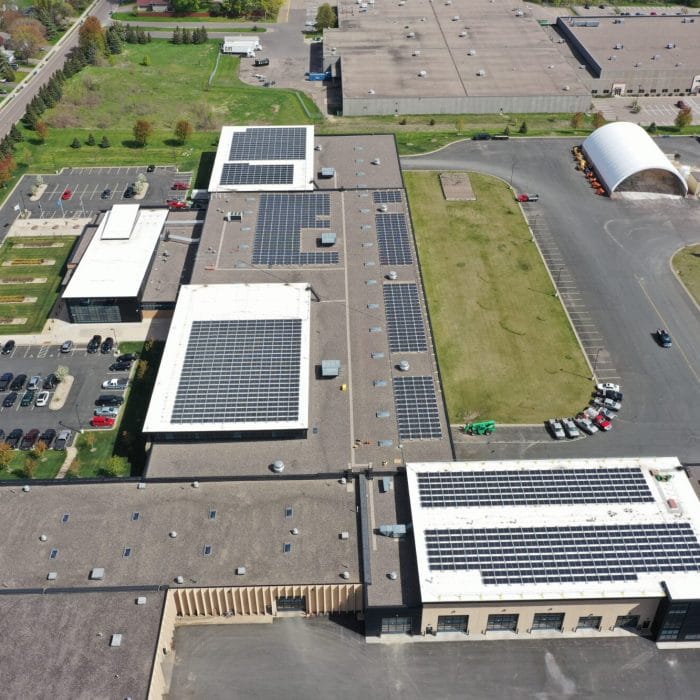
Government initiatives in Minnesota extend beyond public offices to include solar panels on commercial buildings. Collaborations between governmental bodies and private entities have resulted in the installation of solar systems on various commercial structures. This collaboration not only fosters the growth of sustainable practices in the business sector but also demonstrates the economic viability of solar power.
The adoption of commercial solar panel installation is a strategic move, driven by both environmental consciousness and financial prudence. Commercial entities can leverage solar installations to offset their energy costs, ultimately leading to long-term savings. The economic benefits extend beyond reduced utility bills, as businesses may qualify for various incentives, rebates, and tax credits offered by both state and federal governments.
Environmental Benefits for Government Solar Installations
Clearly, the dollar savings provide a big incentive to go solar. But the environmental benefits for government solar installation are even bigger.
The positive environment effect for towns, cities, and counties installing solar include creating less air pollution and reduced reliance on fossil fuels and other non-renewable resources.
- No smokestacks
- No trains and trucks hauling coal
- No pipelines for gas
- No nuclear domes or impossible-to-dispose of nuclear waste.
Everything comes from the sun. Solar is especially appealing for city, county, and state government buildings to go solar because it is a way of honoring the demands of their residents who are ever-more conscious of the impact of climate change.
Properly Maintaining Solar Panels for Minnesota Governments
While the system includes a 25-year warranty, by maintaining the solar panels properly a government unit can extend the life much longer.
Many of our commercial and government customers have maintenance and operating contracts with Cedar Creek Energy. Our professional team helps with preventative maintenance such as:
- Routine inspections
- Reducing the effects of normal wear and tear
- Checkups and condition-based maintenance
- Real-time monitoring to prevent downtime
- Corrective maintenance including repairs if there is an equipment breakdown.
Protecting ROI for MN Government Solar Panels
Coupled with the up-front financial incentives provided to Minnesota Governments for installing solar and the speedy ROI, solar panels are easy to maintain. All it takes is a garden.
Rinsing them twice a year will clear away the dust, dirt, and grime that builds up on solar panels in Minnesota. For larger solar installations on government buildings, often we recommend installing a sprinkler system if they are on a roof.
Governments sometimes opt to ask Cedar Creek Energy to oversee the ongoing operation and maintenance, or O&M, of its panels so that they don’t need to train their own dedicated staff to undergo special training. Many of the issues that crop up with a solar energy system can be avoided with routine maintenance, a necessity to maximize the ROI of the system. – always important in an era of tight government budgets.
An O&M solar maintenance contract will:
- Avoid the cost of training government personnel
- Maximize the solar panel system’s ability to generate the maximum amount of power
- Protect a valuable public asset while reducing the risks
- Ensure that the system complies with state and federal regulations as well as the specifications of the local utility grid
- Receive immediate help if an issue does come up
Minnesota Solar Panels Installation Company: Pioneering Progress
The installation of solar panels on government and commercial buildings is made possible through collaboration with experienced solar companies in Minnesota such as Cedar Creek Energy. Solar energy companies play a pivotal role in designing, installing, and maintaining solar systems that meet the unique needs of government and commercial entities.
Choosing a reputable Minnesota solar panels installation company ensures that government and commercial solar projects are executed with precision and expertise. At Cedar Creek Energy, our team possesses the knowledge and experience required to navigate the complexities of solar installations on diverse structures, ensuring optimal performance and longevity.



FAQs About Solar Panels for Government
What types of solar energy systems are suitable for Minnesota governments?
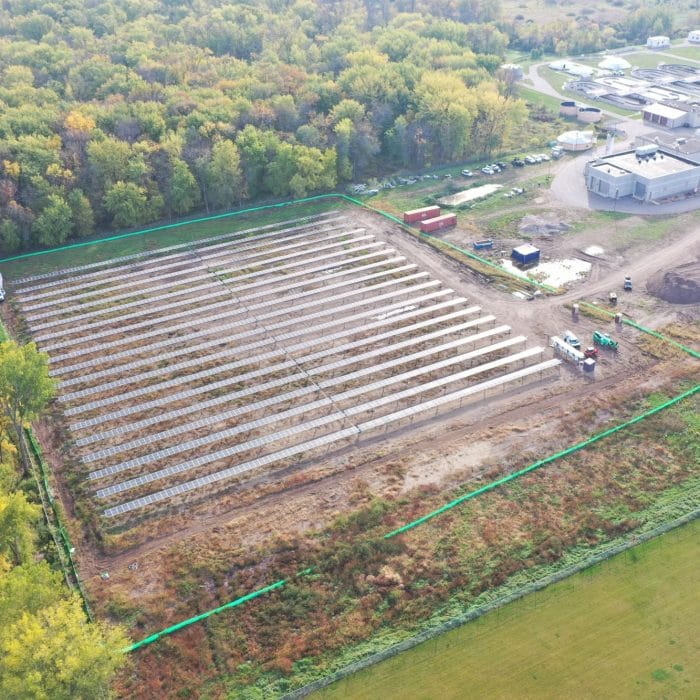
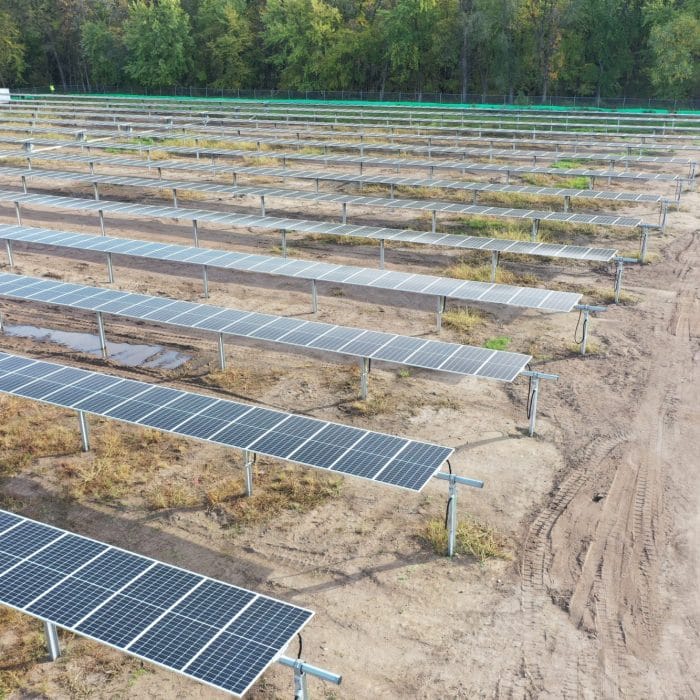
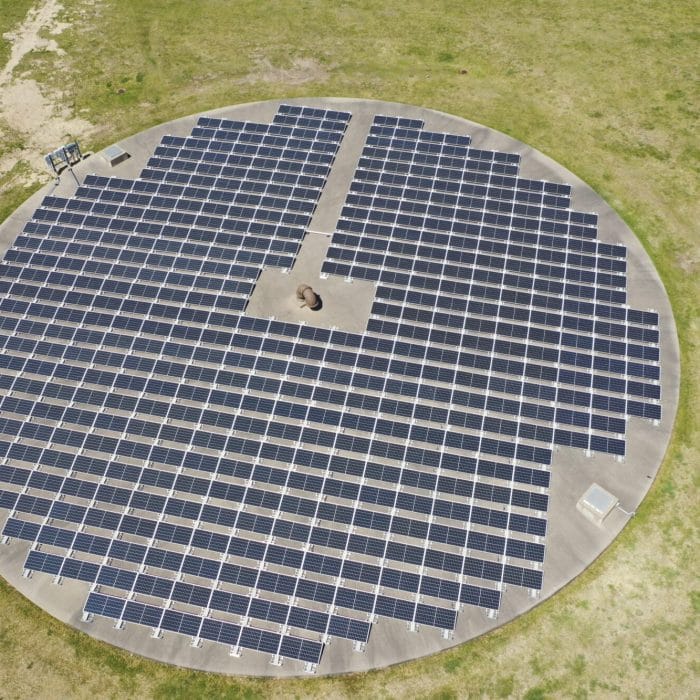
Minnesota governments can benefit from a range of solar energy systems, including rooftop installations, ground-mounted arrays, and solar carports. The choice depends on available space, energy requirements, and budget considerations, ensuring a tailored solution that aligns with the government’s goals.
Are there any financial incentives available for Minnesota governments to adopt solar energy?
Minnesota governments have access to various financial incentives for embracing solar energy. These include federal tax incentives, state grants, rebates, and renewable energy credits. These incentives significantly offset installation costs, making solar adoption an economically viable and environmentally responsible choice.
How can solar energy benefit the budget of Minnesota governments?
Solar energy brings substantial cost savings to Minnesota governments by reducing electricity expenses. With predictable energy costs and potentially generating surplus energy that can be sold back to the grid, solar adoption enhances budget predictability and frees up resources for other essential services and initiatives.
What is the process of installing a solar energy system for a Minnesota government building?
The process of installing a solar energy system for a Minnesota government building involves several stages. It begins with project assessment and feasibility analysis, followed by design, permitting, equipment procurement, and installation. Collaborating with experienced providers streamlines the process, ensuring compliance with regulations and efficient project execution.
How long does it take to install a solar energy system for a Minnesota government building?
The installation timeline for a solar energy system on a Minnesota government building varies based on factors like system size, complexity, and permitting. Generally, it can take a few months from project initiation to completion. Experienced solar energy providers ensure timely execution while adhering to high-quality standards.
Does Cedar Creek Energy provide monitoring systems for solar energy systems in Minnesota government buildings?
Cedar Creek Energy offers advanced monitoring systems for solar energy systems in Minnesota government buildings. These systems provide real-time insights into energy production, performance, and potential issues. Remote monitoring ensures optimal system operation, prompt issue detection, and maximum energy generation, contributing to long-term efficiency and benefits.