Harnessing Clean Energy: The Benefits of City-Owned Solar
Is your city, town, or municipality considering using solar panels to power government buildings and utility facilities? You’re not alone. Across the country, local governments are turning to solar as a clean, cost-effective energy solution that meets the expectations of environmentally conscious residents while reducing long-term operating expenses.
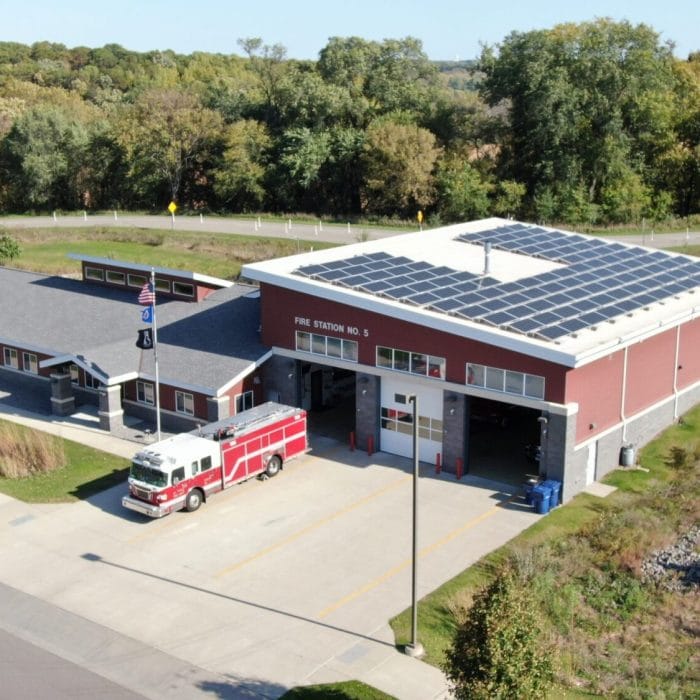
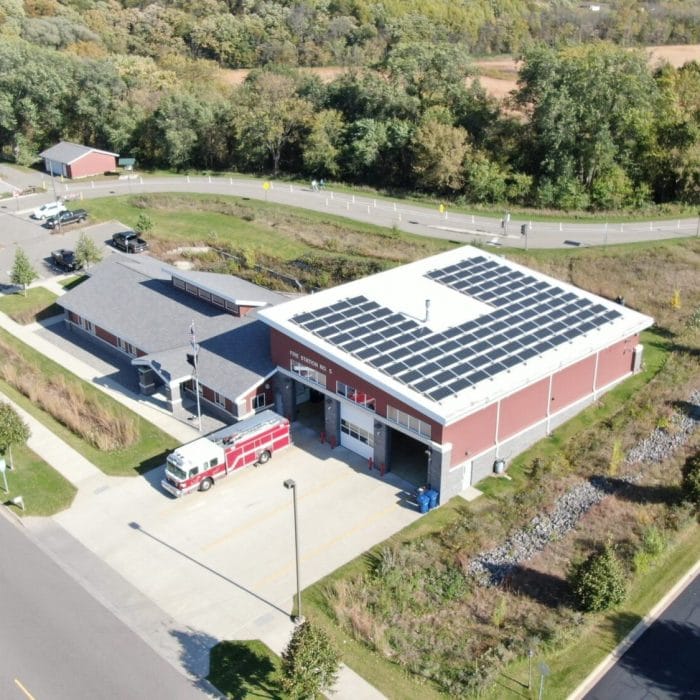
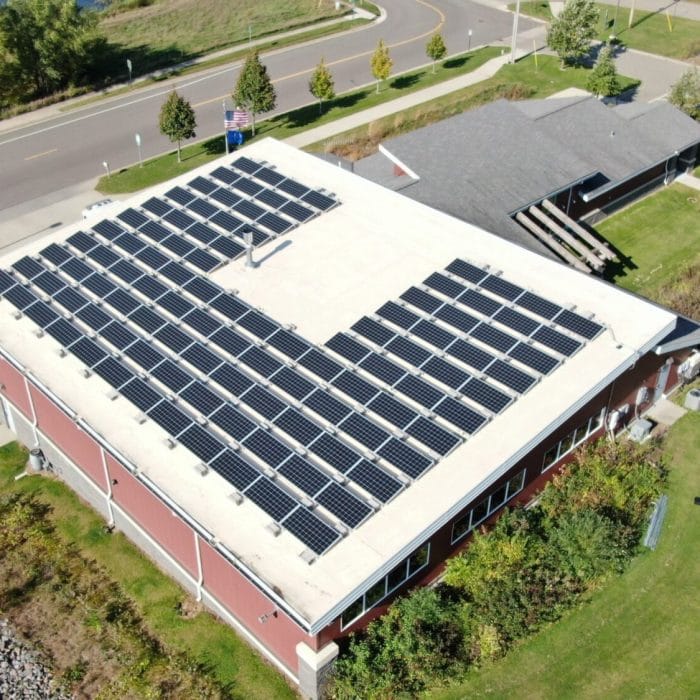
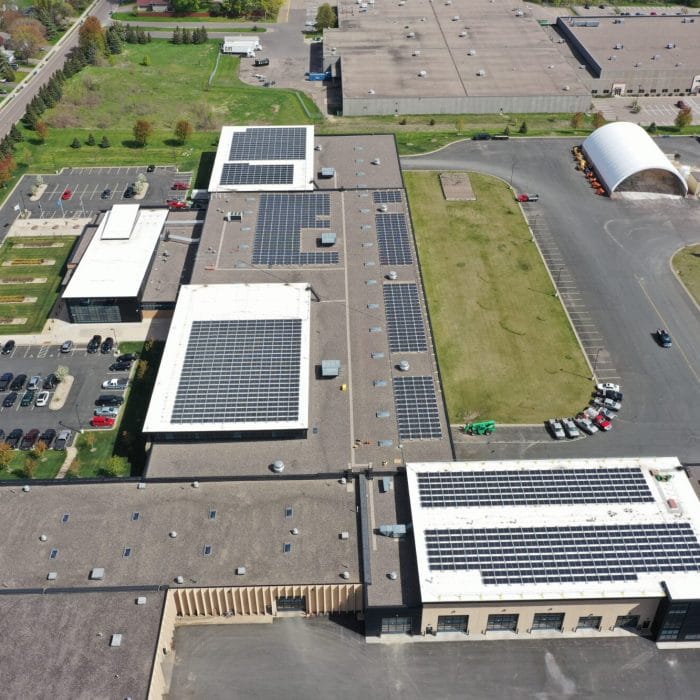
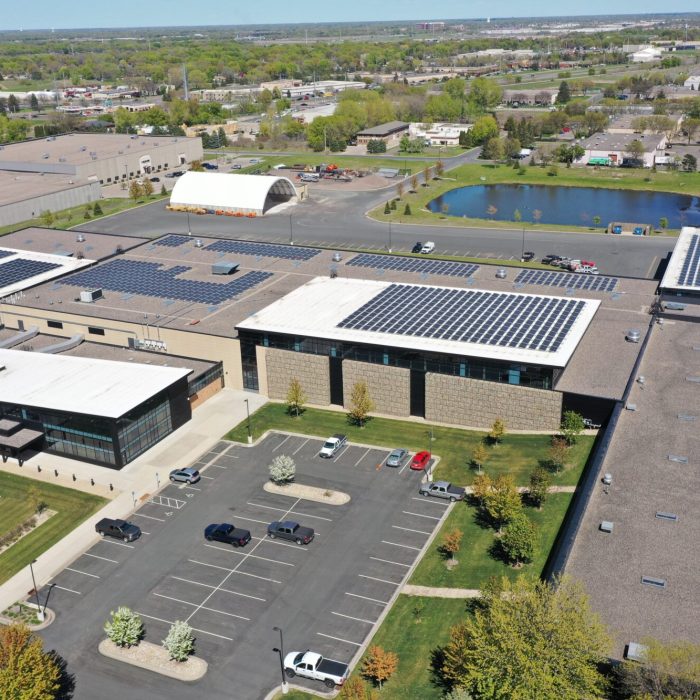
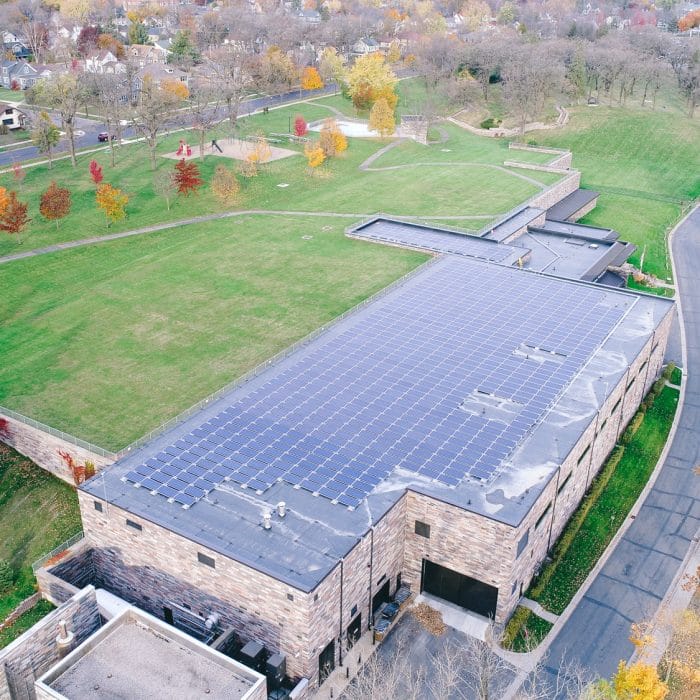
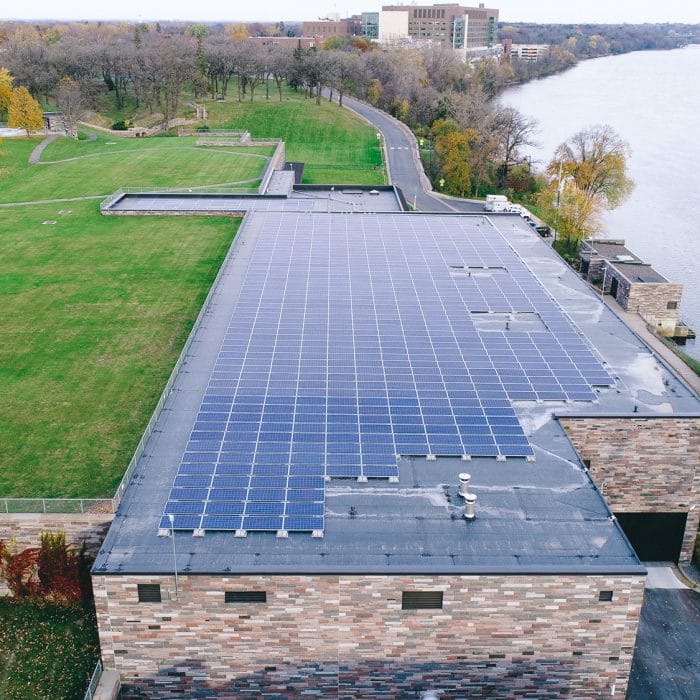
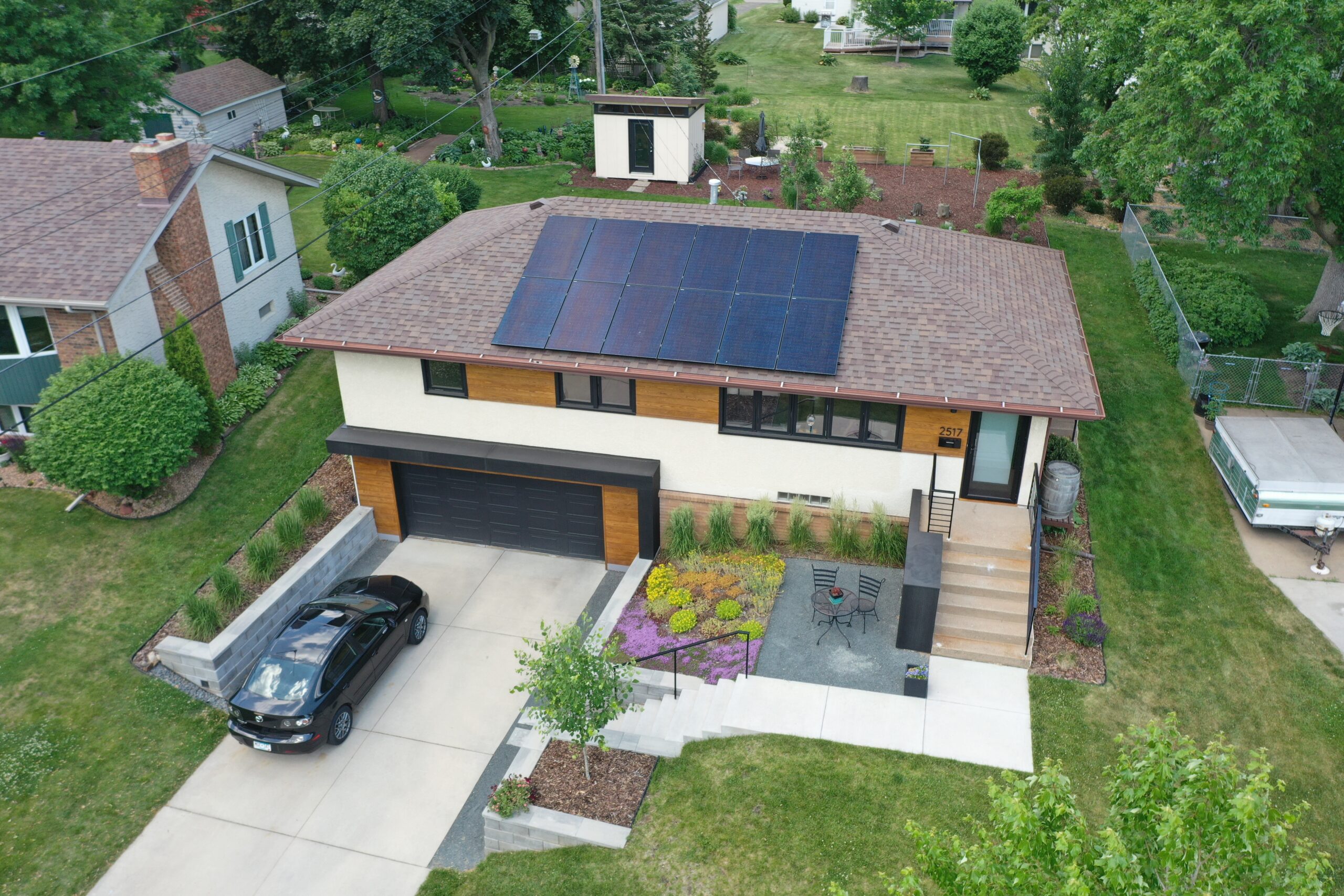
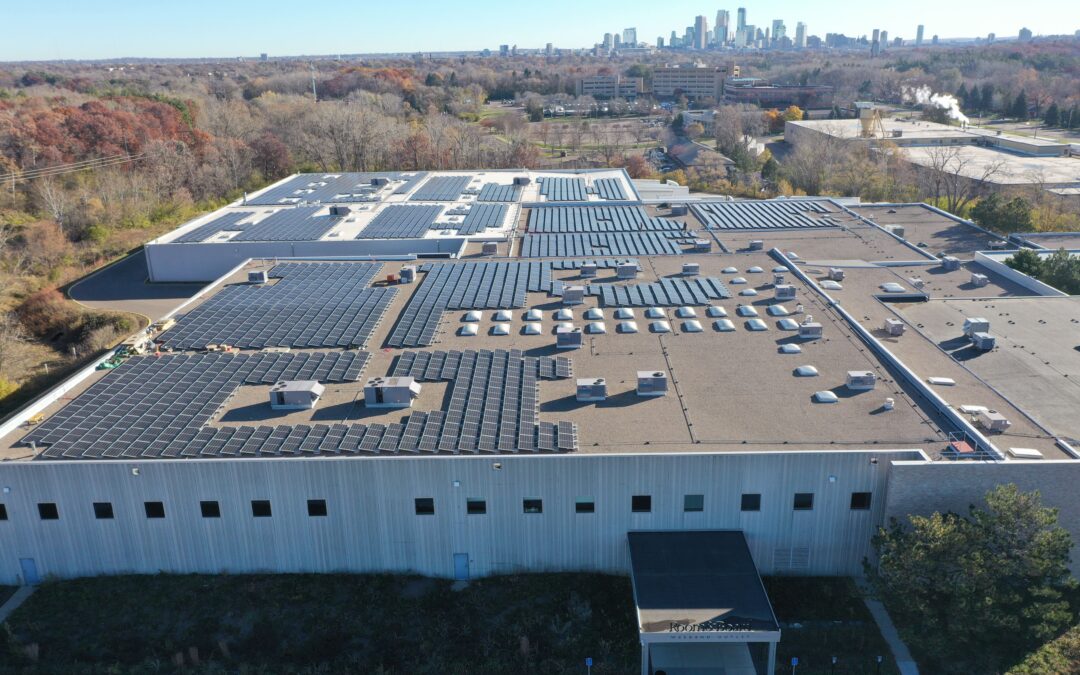
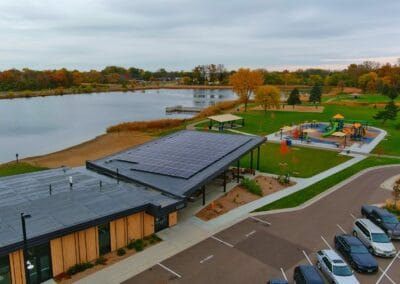
Municipal solar projects can include installations on public buildings, parks, and community spaces, generating clean electricity to power essential services while showcasing a community’s commitment to innovation and climate action. Larger projects can target power-hungry buildings such as sports arenas, wastewater treatment plants, and resiliency hubs.
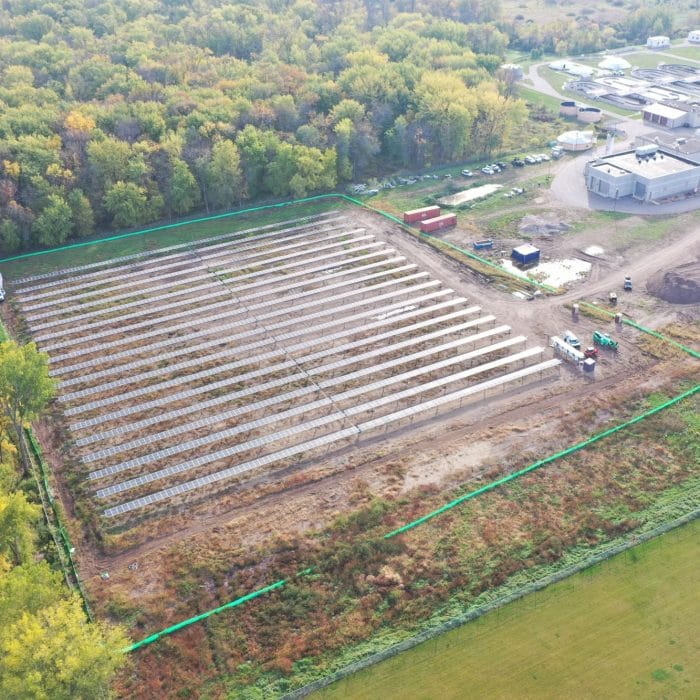
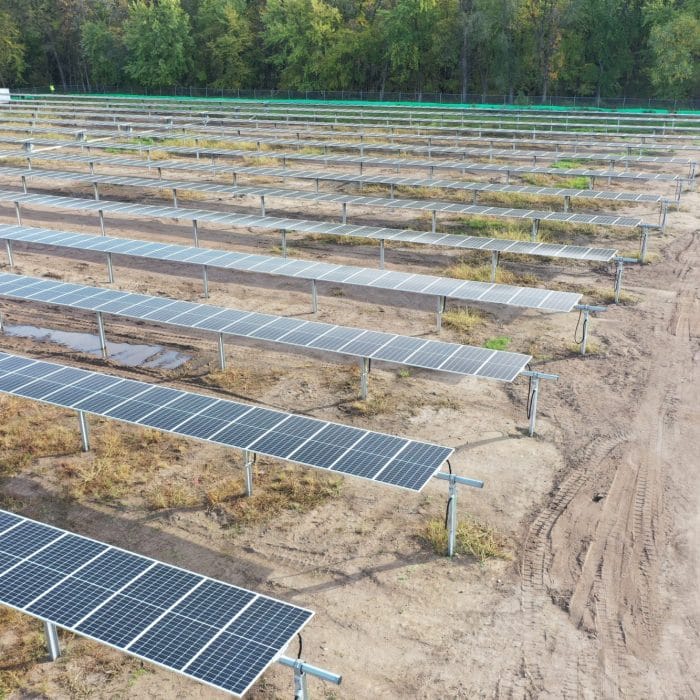
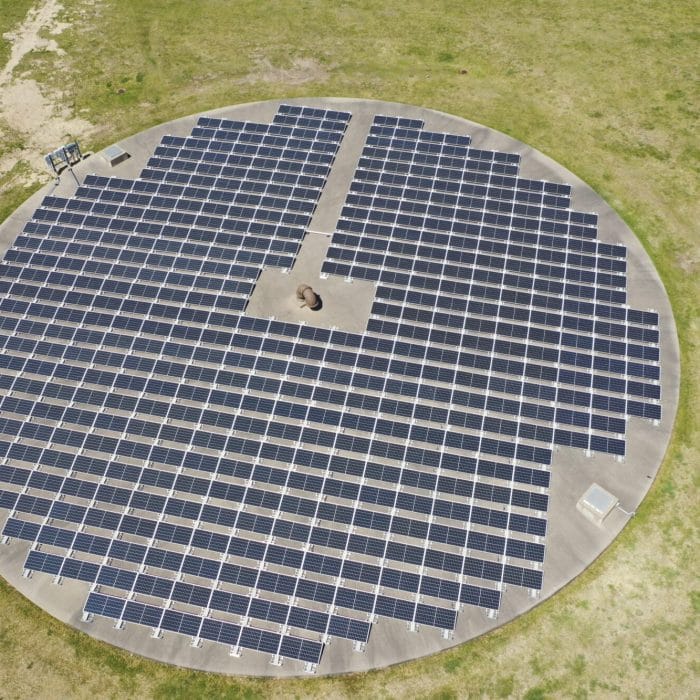
Cities should also consider using public land that may not be suitable for traditional development, such as landfills or brownfield sites, as these can be ideal locations for solar arrays. Installing solar panels over underground water reservoirs is another smart way to make use of available space while supporting a steady, high electrical demand.
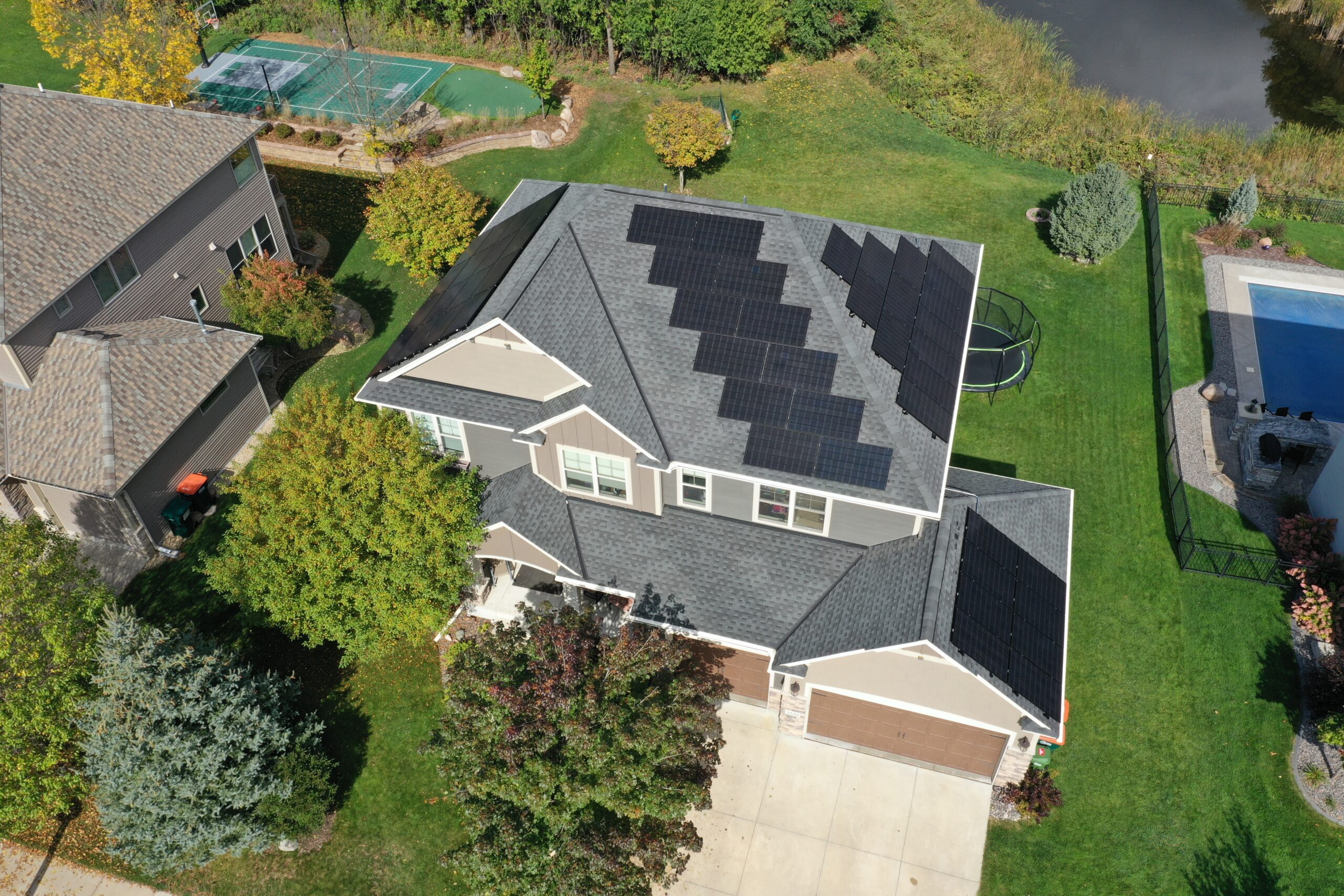
Solar Project Gallery
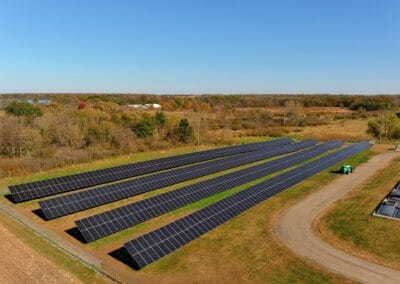

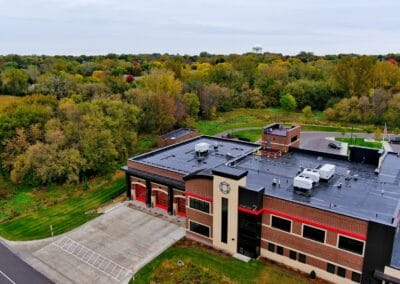

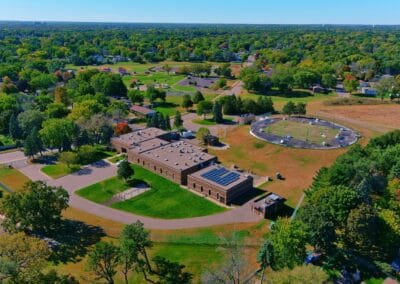
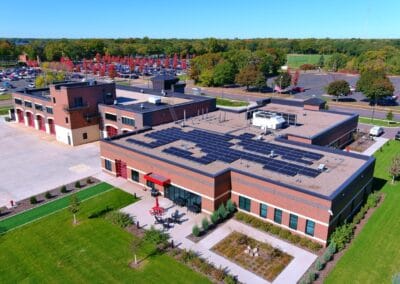


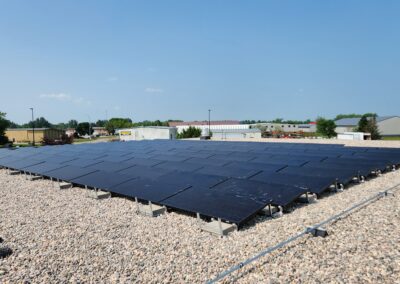
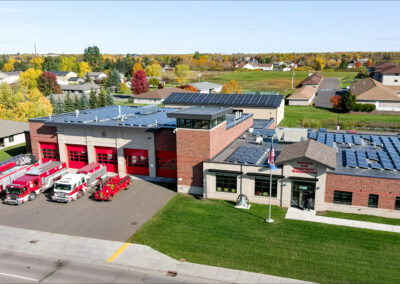
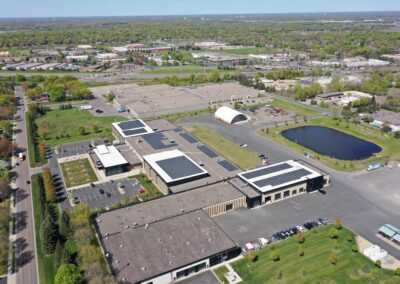
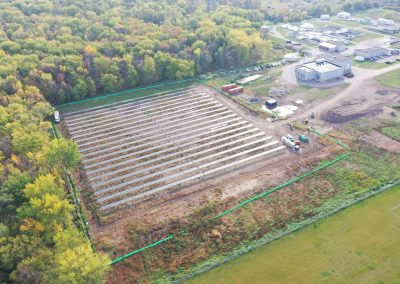
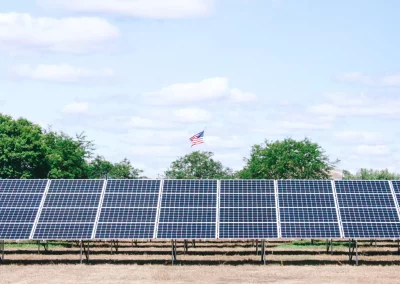
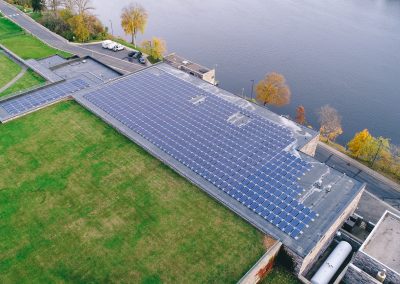
Municipalities can maximize their investment by installing solar on underutilized public land, like capped landfills or brownfield sites, turning otherwise idle property into a source of renewable energy.
Funding and Incentives for Municipal Solar
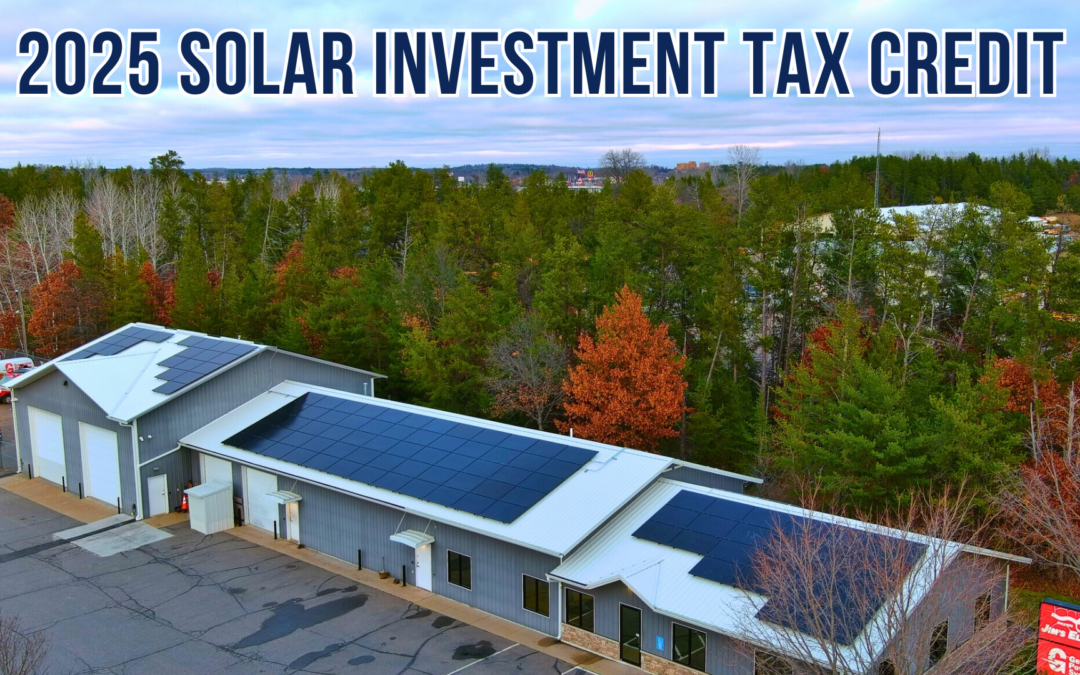
Municipalities are eligible for the Direct Pay from the federal government for 30% of their solar investment.
Minnesota Governments Are Leading the Solar Revolution.
The MN Department of Commerce has a grant for Solar On Public Buildings. It’s designed for smaller 40KW systems, to help bridge the gap in funding between the federal Direct Pay and remaining system cost.
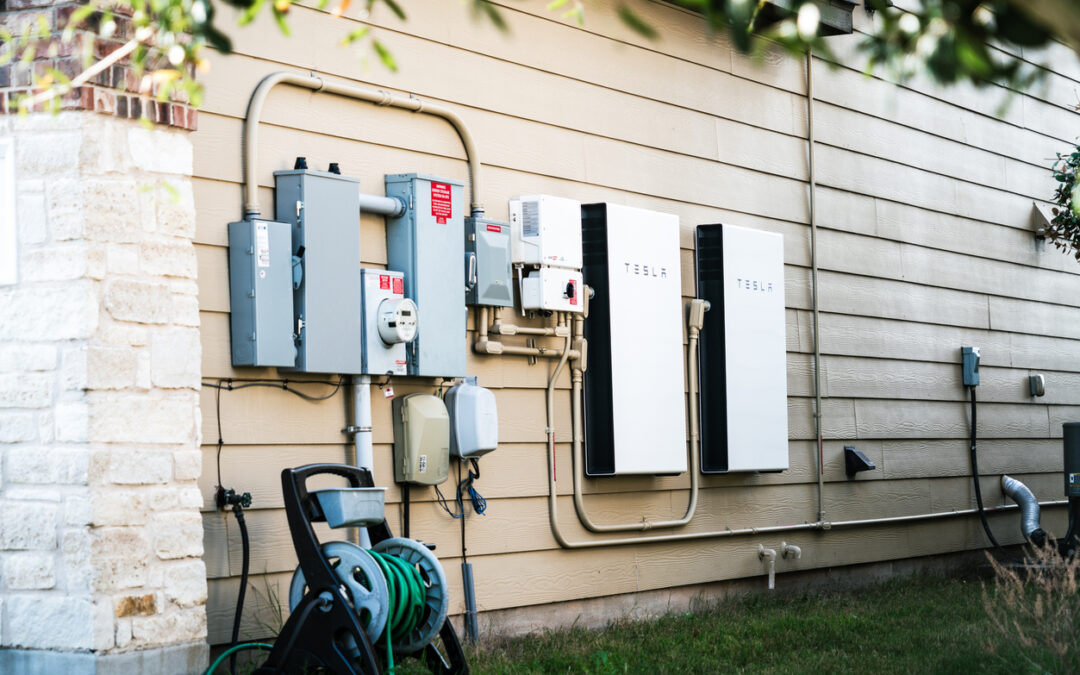
For larger facilities like ice arenas, wastewater treatment plants, or safety and resiliency hubs, investing in a larger solar array is a better use of city funds and will deliver a more proportionate long-term savings impact. These systems can significantly offset operational costs and be paired with battery storage for backup power and improved energy resilience.
For these projects, a Power Purchase Agreement, PACE Financing or Minnesota Climate Innovation Finance Authority could offer interesting options.